Darjeeling misty mountain views
Darjeeling streets
Hot Chai is always available
The crowd flocks to tiger mountain Darjeeling in the hope the day will be clear of fog to see the sunrise, this day we were lucky.
Everyone loves a good picture
The prayer flags come thick the closer you get to Tibet
Buddhist Temple Offering
Darjeeling
The life of living in the hills, Darjeeling town sprall
On the search for something but no one seems to know what, so we stop for chai as this couple welcome us to their home
The search for the field of weed continues, Darjeeling walks
Darjeeling
Sunrises and the moon sets
A misty view of the Himalayas at sunrise, Darjeeling
Tranquil hour with the sound of chanting in the background
Darjeeling - one of the many Tea Plantations
Sunset over the crowded mountain town
A small town below Darjeeling as this library with the most unusual and interesting collection of books. These old guys like to hang out here, I wonder what they discuss
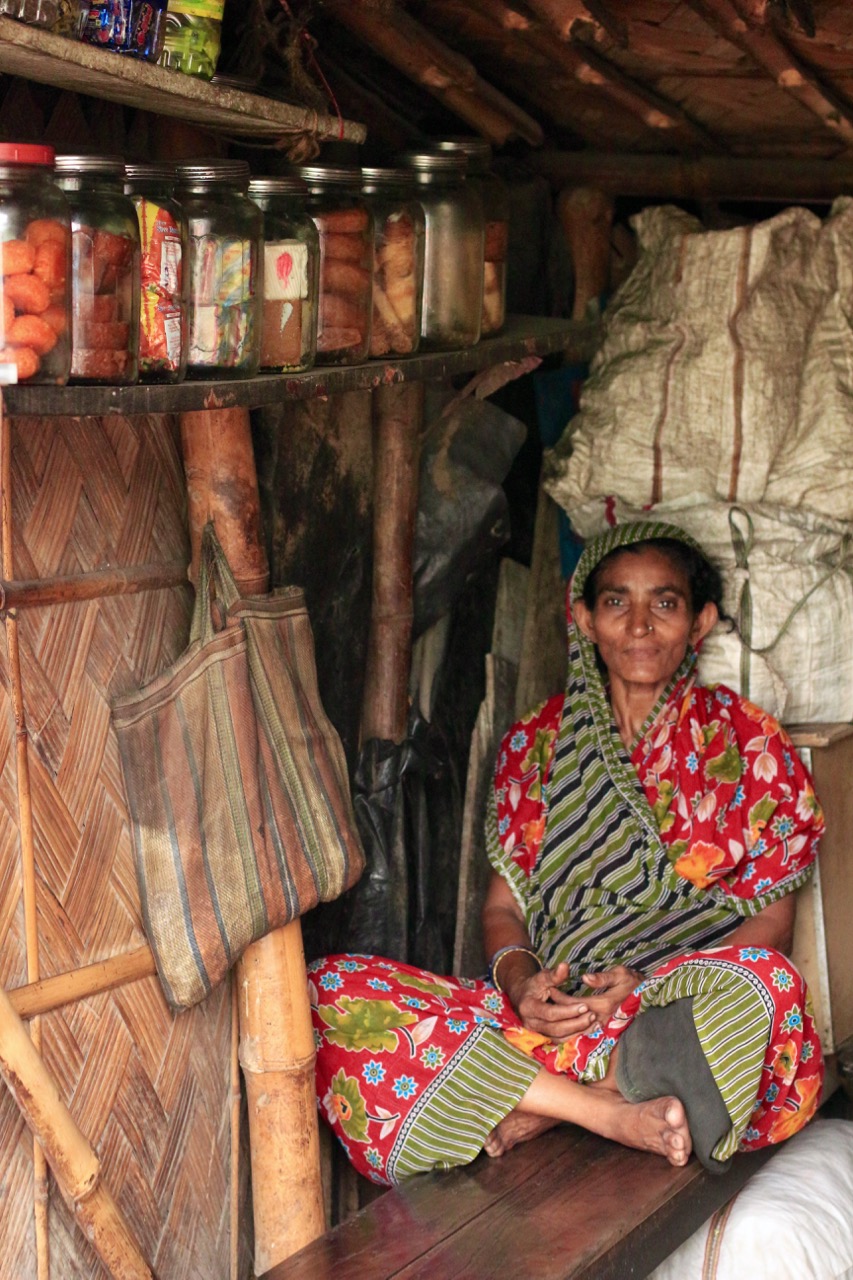
A local store - Darjeeling
Kolkata street food
Kolkata lanes
Kolkata flower market, they string the flowers for optimal shrine use
Beautiful and intricate Jainism temple
Jainism temple and garden grounds
An eye for detail
Flower market views
River Ganges through Kolkata, view from Howrah Bridge
Kolkata streets
Victoria Memorial. The English left some stunning grand architecture, they went more for size than the detail of the Jainism temples
A day at work in the field, community facilitators meeting
Slum visit to weight the some children, some like the scales swining but others don't.
Slum lanes
Community meeting with the mothers for education on nutrition for first 1000days of life
Mothers meeting
Colourful slum, very much a community feel
Mothers meetings aren't very interesting for the children
Bengali education for the mothers

Kolkata streets
My local street fish market, no ice required despite the sweltering heat
The local barber in Pailan
Pailan local shops
Chicken Butcher - fresh killed and cut chook for your convenience. I wonder if the chickens below know what happens above?
Family time and business time combines
Tobacco and weird spice chewing things, everything is curry flavour
My local street
Chullah cook stove to the left and curry on the go to the right
CINI guesthouse, the view from my verandah
Local store
Classic bus rides
Pailan streets
Women must be covered but men feel free to let their bellies cool off from the heat. Loud bodily noises are also very acceptable even in the middle of mediation
My local fruit store, pomegranate my breakfast ritual
Another chicken store, Pailan
Paneer rolls made fresh
Pailan streets
The kitchen staff at CINI
CINI canteen/dinning room with metal plates
CINI kitchen staff, everything is done on the ground in India
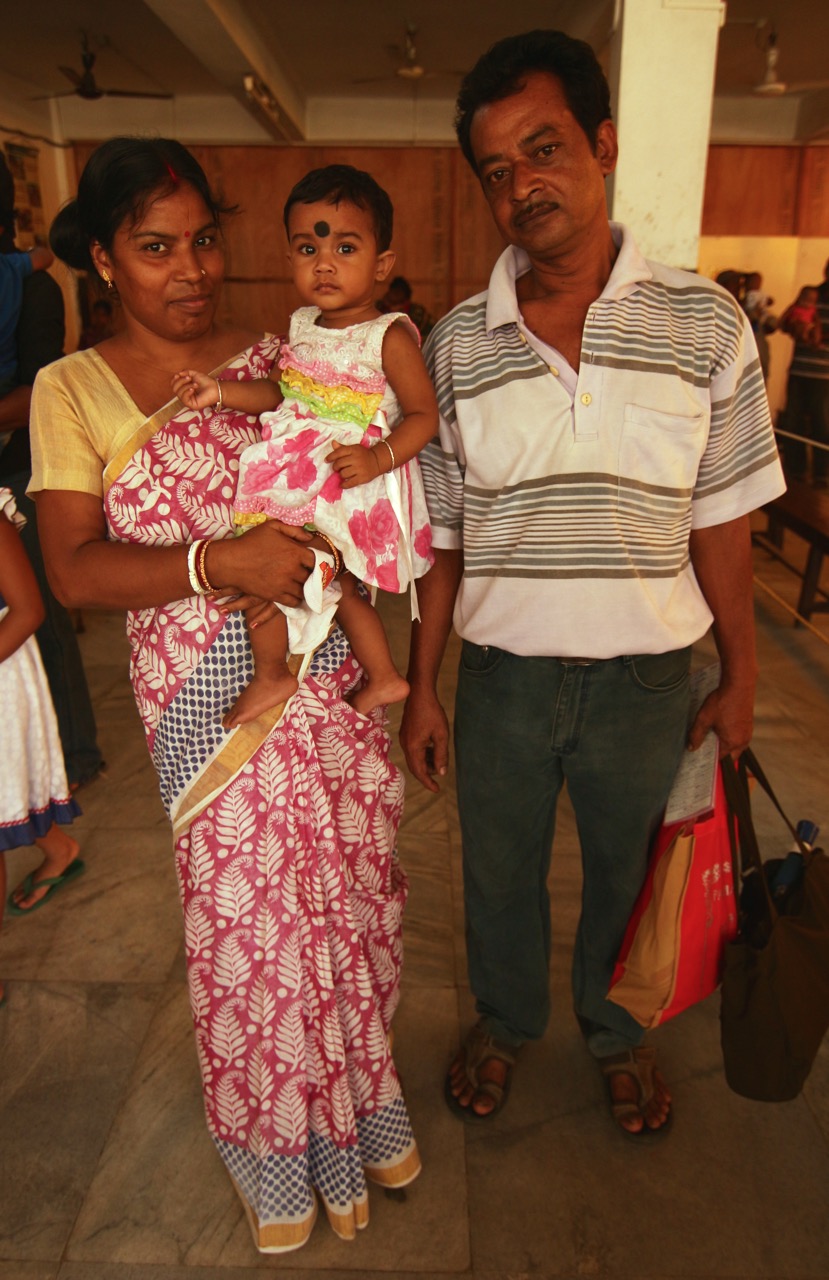
One of the children at the nutrition day vaccine clinic, black dot on forehead is to keep evil away
A rare few men visit the clinic with their wives, often grandmothers or mother-in-laws come while the husband is at work
Doctor consultations for growth assessment and scripts for the children, often diarrhoea and colds
Not all the children are happy all the time
The women and children lining up to fill their scripts
Holi colour festival
CINI campus grounds
Holi dust colours
Dr Chaudhuri, an amazing inspiration, the founder of CINI
The girls gave me this beautiful sari and come to dress me up
CINI campus, my home for the last 2months in Pailan
Pailan streets
Pailan streets, the rubbish is soul destroying. Signs promote a 'clean and green Kolkata' but even if the culture changes, there are no bins anywhere
Pailan delicious street food for 20c
Local cricket
Poor chickens
Pailan streets
Indians can sleep anywhere! This is one of the better locations compared to the side of the road
Rickshaw drivers waiting for business
Just chillin out, Pailan streets
Pailan shops
Pailan streets
Pailan locals, awkward family photo
Chai wallah
Pailan local
Everyone wanted their photos taken, Pailan local
Plenty of time for relaxing and working
Pailan streets
Pailan streets
Pailan streets
Pailan streets
Pailan streets
Pailan streets
Pailan streets
Pailan streets
Pailan streets
Pailan streets, deep friend eggplant and other goods. Indian food is a very high fat diet
The essentials - potato and onion
Pailan locals
Pailan streets
Pailan- my local bus into the city
Amazing old style bikes
Mens hang out space for cards
As I scan the streets, I see a man sitting
in a cement slab structure. Blood,
feathers and fresh killed chicken meat surround him. There is a large ancient, curved blade,
resolute next to him. The living
chickens are crammed in a cage below the slab, stress molting and appear to be
living a dismal existence. The man
casually sips his chai, drench from the summer heat. A break in his working day, he catches my
eye. In a fixed gazed we stare back at
each other in a synchronized moment of disbelief.
As the weeks passed I became accustomed to
the blatant starring and the culture shock subdued. However, the starring never seemed to stop
for them. Some stare with an intent look
that could’ve been mistaken for wickedness.
Others stare with a shimmer of smile in their eyes, or pure wonder. At first it’s quite intimidating. I don’t speak Bengali or Hindi, and few in this
rural area speak English. All I can do
is smile. Body language, a good head
nod, and smiling, became my predominant language for next two months.
Conversational barriers and cultural
differences made it a lonely challenge, until one day as I strolled the dusty
streets I met Shreoshi. Shreoshi looked
at me with her beautiful big brown eyes as I gave her a pat behind her
ear. She was a middle-aged white cow,
slightly too boney with an exhausted look.
She asked me where I was from and to her surprise I answered.
“You understand cow?” she said shocked, “No
one understands me here”.
“No one understands me here either”, I
replied.
We both chuckled and ended up spending the
afternoon together. On the bare dusty ground,
in the shade we found relief from the sun but never relief from the humid
heat. We talked like we were old
friends. Shreoshi may have had an exhausted
outer appearance, but with the heat who doesn’t, but she talked with a calm
enthusiasm and youthfulness. I got to
know that her name was actually Betty the XII, as her family moved to India
from England years back. Her Indian
owner had named her Shreoshi, but to her family she was always Betty. Betty told me of her days roaming the
streets and fields, wherever she wanted to go she would slowly strut. Sometimes she would test the boundaries, like
walking in front of a bus, or wandering into shops, humorously delighted that
no one cared. She was free to do
whatever she liked, although her English background of good-manners often keeps
her out of too much trouble. Her family
had told her tales of the lush England pastures; free of plastic and excessive
dust that she so longed to graze, but she was born Indian and this was her
home. She couldn’t complain, she knew
she would never end up as beef here.
Plus, she liked the slow pace of the days where her owner would sit with
her and his friends drinking chai. She
liked to laze by the village ponds cooling off her underside in the lilly
filled water as she watched the women hand-wash their coloured sari’s. The children would play and take their bath in
the water as they didn’t always go to school and if they did it was never for very
long. She likes her village life where
everyone lives together, joint and extended families in the one home surrounded
by lanes of other extended families. She
tells me of her working day as she is happy to be contribute, her poo mixed
with mud can make the village homes. She
also helps the children carry the water from the hand-pump wells. Her favorite time of day is to watch the kids
play cricket. She tells me, “It’s good
to see them playing some sport, Indians don’t like exercise”. She is a huge cricket fan like the rest of
the Nation. When there is a game on she
will lie on the cool mud-dunn verandah floor of her village and listen through
the door. Her owner excitedly yelling at
the players as his wife spends hours preparing dinner, filling the house with
smoke as she cooks over the challah.
We share our stories of what we have
witnessed. Agreeing on how gorgeous and
lively the children are. Despite some
children traveling miles to run away from unthinkable home conditions, or
being stolen for trafficking, or given away by their own parents for child
marriage, or street life; they find shelter and joy in the simplest things
fighting to keep their child souls full of laughter. We discuss the unthinkable acts of the male
culture and the discrimination against women.
Of course it’s not all bad but it’s shocking what can be accepted. To grow up as a girl child could be scarily
dangerous here. There is no quick fix
but there are many smart people with kind hearts working on a change to come. I talk to Betty of the confusion of the many contrasts
I’ve encountered. For instance the
wealthy that follow the worst trends from western nations with mass
consumerism and fast-food chains; ending up overweight with
diabetes while the poor wear rags and struggle to afford food. The cultural indifference between men and
women are huge, although the men are still gentlemen giving women priority
seating on public transport. The idol
image is Bollywood dancers who wear clothing far from the fully covered
requirements of the religious general population. There are modern malls and restaurants but
then there are ancient living conditions.
It’s a culture of inefficiency and patience is required but extreme in-patience
is clear when it comes to traffic. Betty
tries to help me understand some of the culture with the many gods and rituals;
there is so much to take in. As the
hours pass I decide it’s time to head back to my room where it’s cool and free
of chaotic street noise. I say goodbye
to Betty thankful for the afternoon and hoping that she will find more grass to
fatten up a little.
As my placement is coming to an end I’m
thankful for the support and lovely people I have met. Now it’s time for a new
adventure, to be back on the road. I’m
tired of people telling me I can’t do anything on my own. When you’re travelling alone that request is
a little hard at times. I know its not
Indian custom to travel without family but I’ve come this far. I trust in the universe that there are a lot
of good people in this world. If you truly
believe than it will manifest. Nothing
so far has given me any reason to believe otherwise, and I will forever look to
optimism. As the months pass in this
environment that is so foreign to anywhere I have lived, I’m happy to move
on. I’m craving nature, fresh air, trees,
and sights that are beautiful on the eye.
I need to re-awaken my soul because the recent stimulus has caused a
fading light. Before I came I knew it
wouldn’t be easy but it wasn’t about me.
I was here for a purpose; I have a skill that sparked a passion to want
to contribute. To be part of something
bigger than me, to put in where it might be needed most. It was by no means any tropical
paradise. My experience has been one of
many challenges and insights, but the view from the top of the hill I had to
climb will forever stay with me. After
all, how do we grow if we don’t push boundaries?
“Start walking towards shams.
Your legs will get heavy and tired.
Then comes a moment of feeling
The wings you’ve grown, lifting. “
-
Rumi.